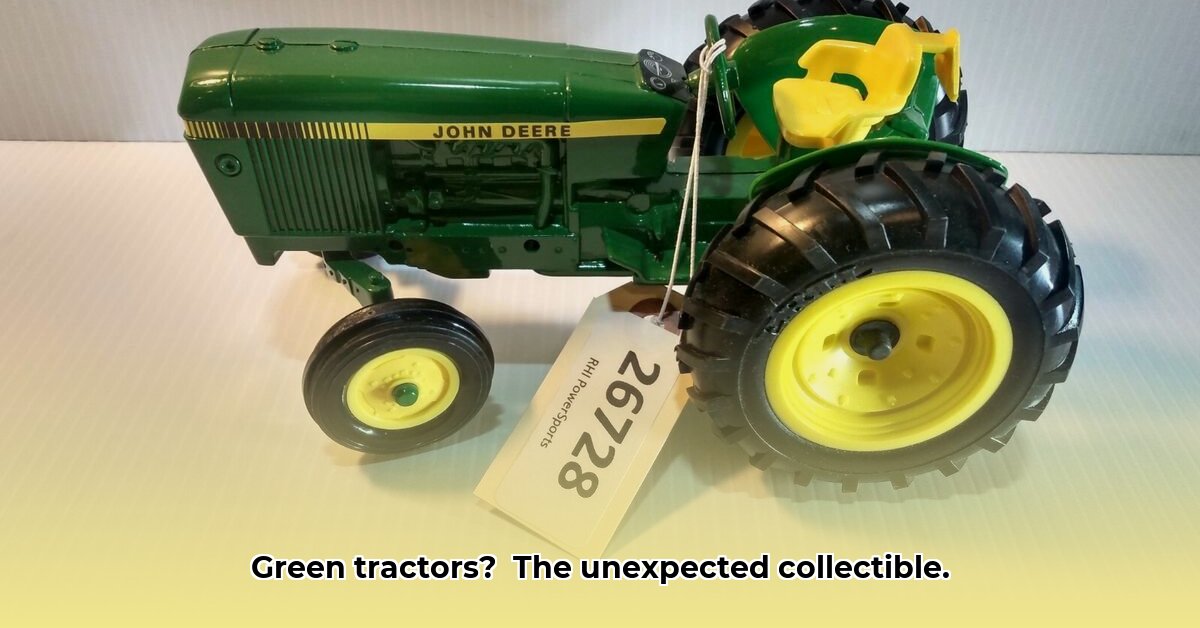
John Deere Diecast Tractors: A Surprisingly Green Story
The world of collectible John Deere diecast tractors, seemingly a niche hobby, reveals a surprising connection to the broader conversation surrounding sustainable agriculture. The booming market for these miniature replicas—with hundreds of pre-orders for new models and over 700 listings on Amazon—points to a compelling trend. This isn't merely a fad; it reflects a shift in consumer behavior, indicating that environmentally conscious choices are influencing even seemingly unrelated markets. This article analyzes this burgeoning market, exploring the implications of "Carbonfree Certified" labels and examining the interplay between quality, collectibility, and sustainability. For kids, check out this John Deere toy.
A Growing Market with Meaning
The sheer volume of John Deere diecast tractors available, coupled with robust pre-order numbers, suggests a considerable and growing market. But what drives this demand? Is it simply nostalgia, or something more profound? The compelling question is: Does the popularity of these miniature tractors reflect a broader societal interest in environmentally conscious consumption? The answer, we will see, is likely multifaceted.
The "Carbonfree Certified" Label: A Closer Look
The presence of "Carbonfree Certified" labels on many of these models immediately grabs attention. This suggests environmentally friendly manufacturing, but a closer look reveals a lack of transparency. The specifics behind this certification remain elusive. Does this label fully account for the entire lifecycle of the product, from raw materials to disposal? The limited information raises concerns about potential “greenwashing”—marketing claims that exceed the actual environmental benefits. More rigorous, independently verified data is crucial for evaluating the authenticity of such claims.
Quality, Collectibility, and the Green Factor
Collectors often cite the high quality of these models—intricate details, realistic sounds, and durability—as key drivers of their appeal. Interestingly, this appreciation for quality seems directly correlated with the preference for "Carbonfree Certified" models. Does this suggest a growing consumer preference for both exceptional craftsmanship and eco-conscious production? This correlation, if genuine, points towards a significant shift in consumer values, influencing spending habits across different sectors.
Who’s Involved and What’s at Stake?
The expanding market impacts multiple stakeholders. The short-term and long-term consequences are significant:
| Stakeholder | Short-Term Impact | Long-Term Impact |
|---|---|---|
| John Deere & Manufacturers | Increased demand; pressure to substantiate "Carbonfree" claims; potential for increased profits. | Increased investment in sustainable manufacturing; development of credible sustainability certifications; potential market leadership in eco-friendly toy production. |
| Consumers | Growing awareness of environmental impact; increased scrutiny of product labeling; potential for increased spending on sustainable options. | Greater informed purchasing decisions; stronger preference for brands committed to sustainability; increased demand for eco-friendly products across sectors. |
| Market Researchers & Analysts | Increased focus on sustainable consumption trends in niche markets. | Development of better methods for tracking and analyzing the intersection of sustainability and consumer choices in specialized product segments. |
| Environmental Organizations | Scrutiny of "Carbonfree" certifications; advocacy for transparent labeling & production processes | Increased pressure for stricter regulations on environmental claims; promotion of standardized sustainability metrics for toy manufacturing. |
Navigating the Risks: Greenwashing and Supply Chain Issues
The market's rapid growth introduces risks. Greenwashing poses a significant threat, with unsubstantiated environmental claims potentially misleading consumers. Supply chain issues, encompassing material sourcing, manufacturing processes, and transportation, also present challenges. To mitigate these risks, independent verification of environmental claims, transparent reporting of manufacturing processes, and robust due diligence throughout the supply chain are vital. This must include detailed audits of every step of production and distribution.
The Bigger Picture: A Miniature Model of Larger Trends
This niche market serves as a microcosm of broader societal shifts. The consumer demand for sustainable products, even in seemingly inconsequential markets like collectible diecast tractors, reflects a growing awareness of environmental responsibility. Will this miniature market's response – whether genuine or a marketing ploy – influence broader agricultural practices and toy manufacturing? Further research is key to determining if this trend genuinely reflects a shift towards mindful consumption.
How to Assess the Environmental Impact of Collectible Diecast Tractors
Assessing the environmental impact requires a comprehensive approach. It involves considering:
- Material Sourcing: The environmental cost of mining and processing zinc alloys, plastics, and paints.
- Manufacturing Processes: Energy consumption, waste generation, and the choice of energy sources in the manufacturing process.
- Packaging: The environmental impact of packaging materials and the amount of packaging.
- Transportation: Greenhouse gas emissions associated with shipping and transportation throughout the supply chain.
Collectors can make more informed choices by favoring models made with recycled materials or from companies with robust sustainable policies. This requires increased transparency and clear, verifiable indicators of environmental responsibility.
The Unexpected Green Side of Diecast Collecting
The growing fascination with John Deere diecast tractors offers a platform to explore the intersection of consumer preferences, manufacturing practices, and environmental awareness. While the tiny tractors themselves may seem insignificant, their presence highlights the complex relationship between consumption and sustainability. What are the larger implications of this growing market trend for the agricultural industry and the broader consumer landscape? What we discover could well inform future manufacturing practices and consumer choices.